At the COP17 negotiations on combatting desertification (August 17–28, 2026) in Ulaanbaatar, Mongolia, civil society saw an unprecedented attack on their rights to participation. Just like at recent climate summits, the language has shifted to implementation, — to tackle desertification, drought, and land degradation. But civil society has been ringing alarm bells about certain states which are Parties to the UNCCD (UN Convention to Combat Desertification) aiming to exclude local communities, activists, women and youth.
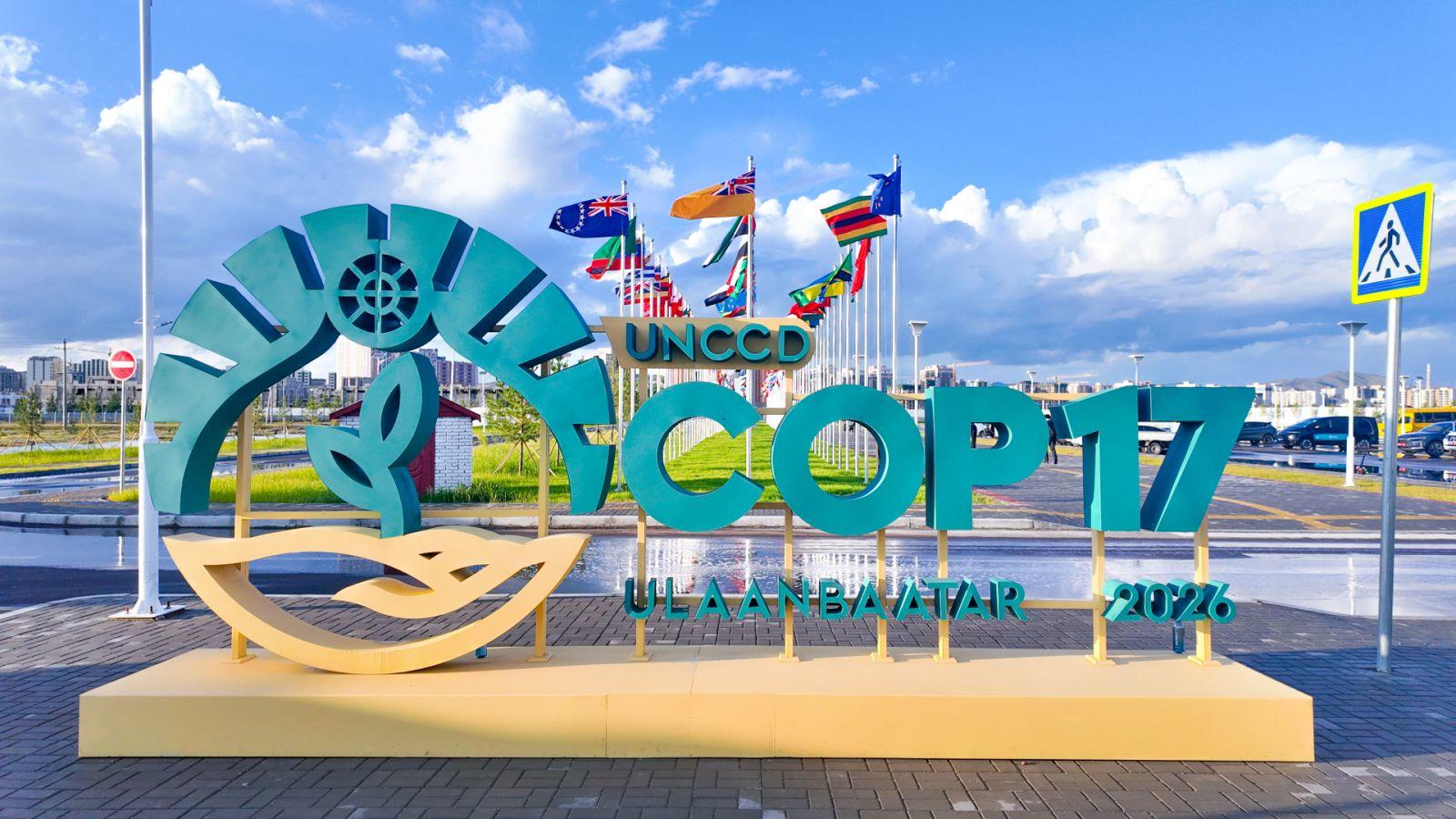
Mongolia saw negotiators from around the world debate on practical solutions and financial mechanisms to address what is now a well-understood problem, with 70 countries having developed their national drought action plans. The current funding gap is staggering: $278 billion are missing to ensure we are able to prevent and react to the consequences of land degradation.
At this COP, there was no agreement reached on a new drought protocol to direct funding due to opposition from developed countries to create new mechanisms instead of using already existing frameworks like the Global Environmental Facility. At the same time, many celebrated the largest ever investment in global pasture land restoration. The Rangelands Flagship Initiative initiated by Mongolia has brought in pledges for 23 projects across 5 continents, amounting to $1.3 billion.
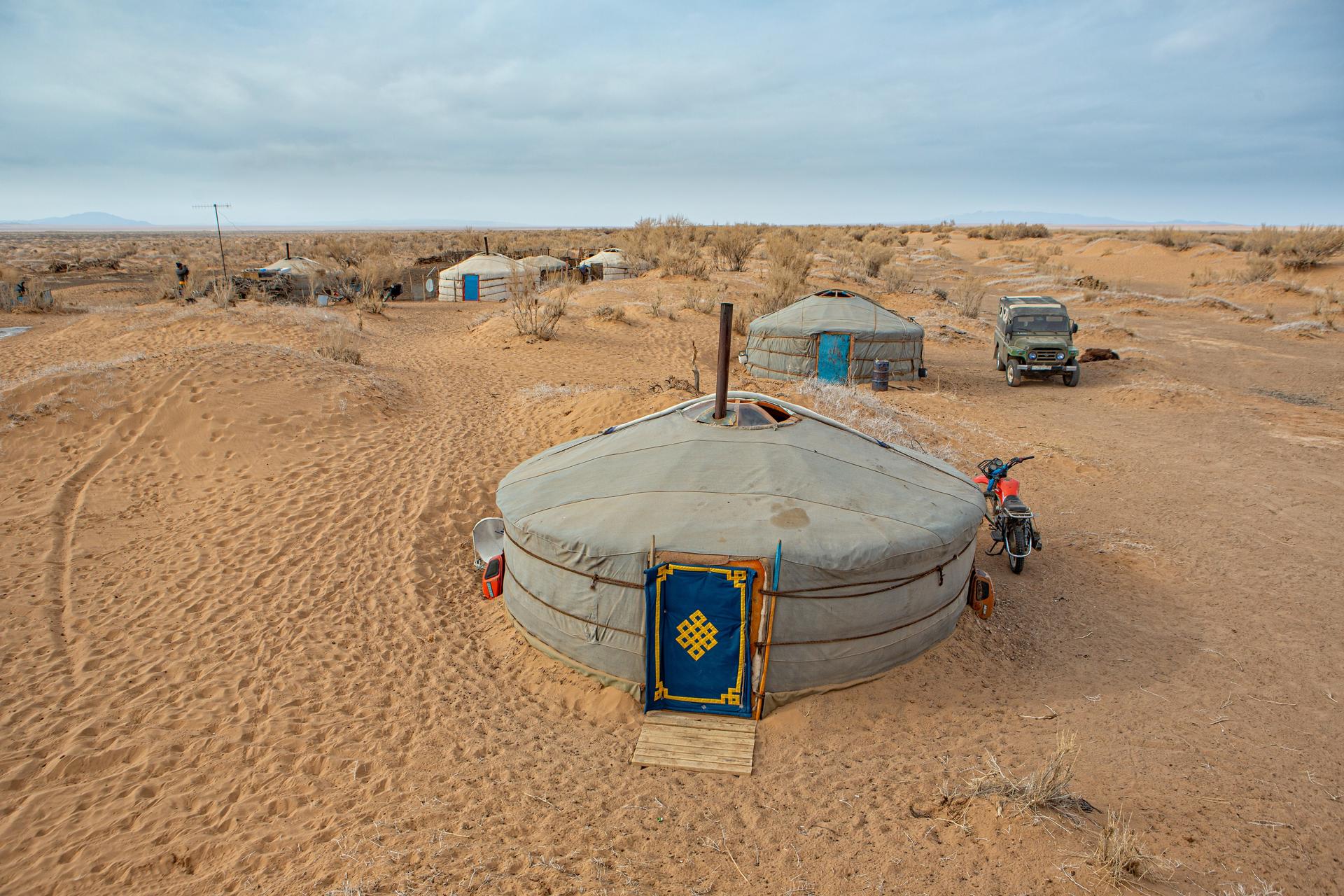
This leadership is particularly important for Mongolia, as 77% of its territory is affected by desertification, including the spreading of the Gobi desert. Globally, up to 40% of the Earth’s land could be turning into desert with the impact of extreme and unpredictable weather and unsustainable development, which has impacted 3.2 billion people.
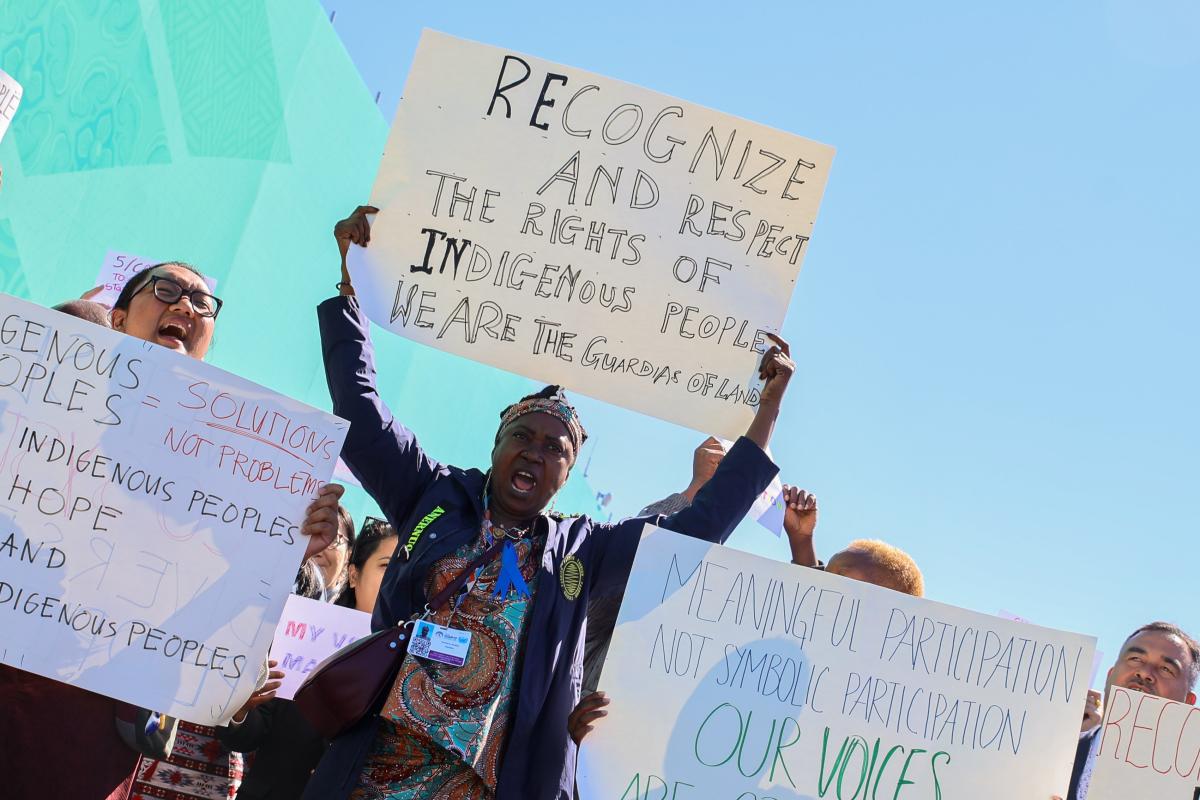
It is therefore cynical that the United States has tried to exclude gender equity and civil society rights from the official agenda of the negotiations. Indigenous peoples and civil society have been instrumental in driving the efforts for more ambitious action to counteract drought and desertification, particularly promoting independent science-based and nature-based solutions. In fact, more than half of the land on the planet relies on the stewardship of indigenous communities. Activists at the summit reacted to this attack on civil society inclusion with protests, calling for funding and legal guarantees for land rights for farmers, women and indigenous people to protect them. They especially highlighted the need to protect people from commercial displacement, asking for international funding to go directly to communities and local organisations.
The US also opposed synergies across the three Rio Conventions (on climate, biodiversity and desertification) being kept on the agenda. Interestingly, the United States is not a full Party to all three conventions: it has not ratified the Convention on Biological Diversity (CBD). But synergising action on all three areas of environmental protection is about maximising already scarce funding, enabling solutions that can address all three interconnected planetary crises at the same time and reducing reporting, thereby saving resources for most affected countries. Historically, the US has avoided agreements that increase international-level monitoring to retain as much autonomy as possible over its resources, which often protects US business interests rather than environmental health.
Meanwhile, Russia was seen blocking discussion of Item 3, the future strategic framework of the UNCCD, though it lifted its veto later on. It also temporarily opposed putting the work programme of the Science-Policy Interface (SPI) on the agenda, citing that its experts had been blocked by other Parties, and objected to the participation of the Ukrainian expert on the SPI. Procedural fights like these eat into limited negotiating time at a moment when the Convention is trying to agree its direction for the coming years.
“COP17 was positioning as implementation oriented and people-focused Conference. While we should appreciate that pastoralist people received high-level recognition during COP17, objection of agenda item on civil society participation, gender and synergies between Rio Convention by one Party, explicitly showed eroding space of civil society to participate in negotiations and crisis of international cooperation and multilateralism. Especially now, when COP17 finished without any decision of civil society participation, we as a civil society need to stay united and strengthen evidence-based advocacy for land degradation neutrality and drought-resilience to protect the livelihoods and rights of people who live on the land.” shared Sopiko Babalashvili, UNCCD CSO Panel representative of the Central and Eastern Europe region.
Why it matters for Central Asia and the wider EECCA region
For Central Asia, this conference is closely tied to everyday realities: drought, the desertification of the Aral Sea region, and the future of pastures. Uzbekistan and Kazakhstan have experience to share on tackling sand and dust storms, while Tajikistan and Kyrgyzstan have a common position on the mountain agenda, which covers protecting glaciers and managing mountain pastures sustainably.
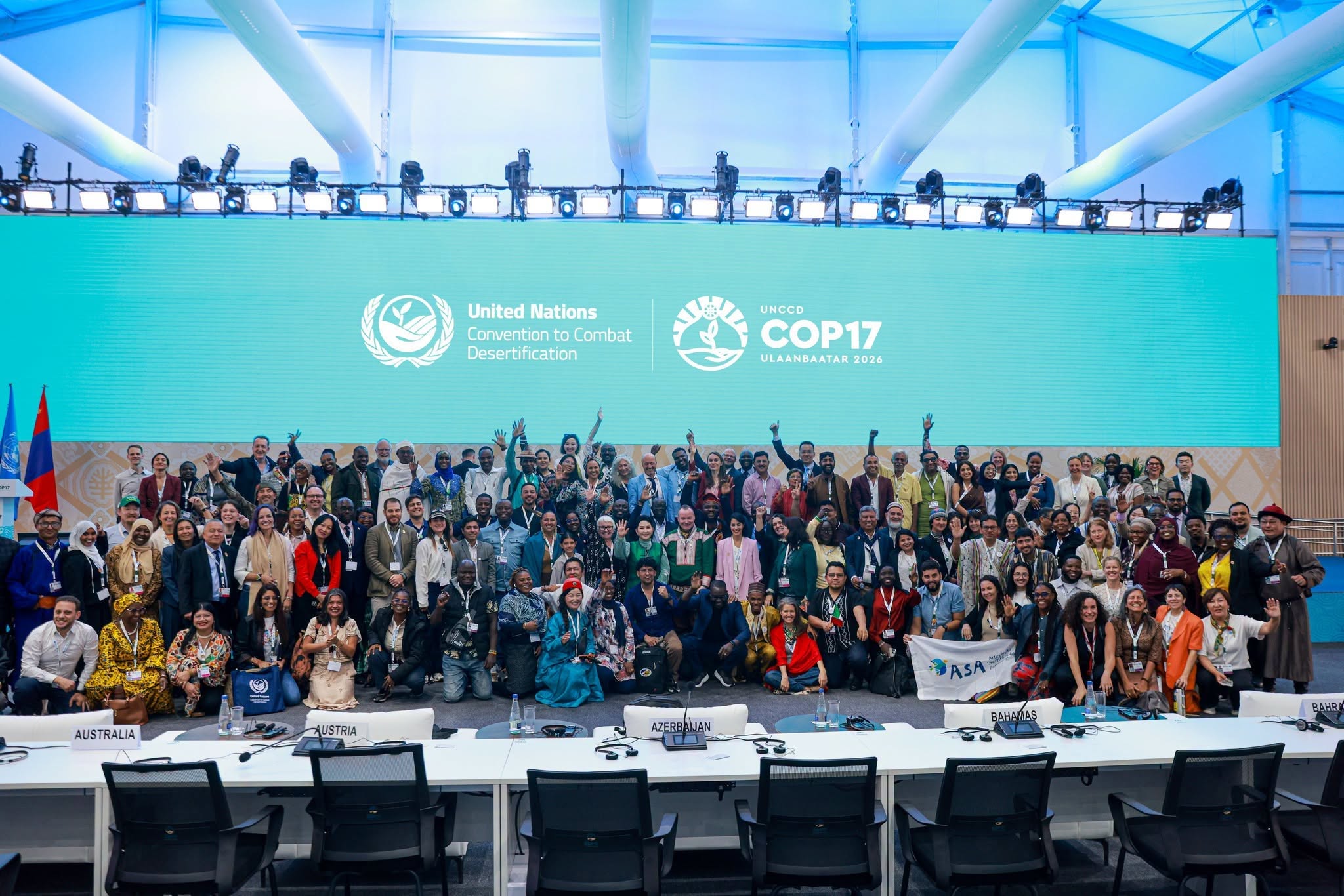
These issues were the focus of the side event “One Steppe Forward: Regional Dialogue on Land Restoration and Sustainability in North and Central Asia”, held on 24 August and organised by the Nature and People Foundation. Representatives of governmental, scientific and non-governmental organisations from Azerbaijan, Kazakhstan, China, Korea, Kyrgyzstan, Mongolia, Russia, Tajikistan, Turkmenistan and Uzbekistan took part, along with the UNCCD Secretariat and Mongolia’s National Organising Committee for COP17. Participants discussed land degradation, its causes and consequences in their countries, and the concept of land degradation neutrality as a way to address it. They put forward proposals on national contributions and on stronger international expert and scientific cooperation.
A representative of the Tajikistan Youth Environmental Centre stressed the importance of involving civil society organisations. The Centre and members of the Tajikistan NGO Climate Network have been sharing knowledge and best practices on sustainable land management and climate adaptation with local communities.
“Taking part in COP17 in Mongolia was an important opportunity to present the perspective of the mountainous countries of Central Asia and to emphasise that the fight against land degradation must be closely linked to adaptation to climate change, the conservation of biodiversity and support for local communities. For Kyrgyzstan, it is particularly important that international decisions take into account the knowledge and practices of the people who directly manage the land and natural resources and are already facing the consequences of climate change today”, said Anara Alymkulova, Executive Director of the Institute for Sustainable Development Strategy, who also participated in the UNCCD COP17.
Looking ahead
COP17 left a mixed picture: record pledges for rangeland restoration, but no new drought protocol, and growing pressure on the space for civil society. For a region shaped by steppe, mountains and a shrinking Aral Sea, the test will be whether the money and the commitments reach the communities that live with land degradation every day.