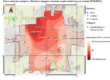
Published by Agora Energiewende on 26 June 2026, this policy brief investigates how deeper cross-border power system integration could accelerate the energy transition across Central Asia while lowering costs and improving energy security.
The findings draw on the PyPSA-SPICE Central Asia model, a detailed power system model covering Kazakhstan, Uzbekistan and Kyrgyzstan, developed to analyse how regional cooperation could unlock the complementary potential of the three countries’ wind, solar and hydropower resources.
The modelling shows that a more integrated regional power system could lower annual energy system costs by around USD 3.5 billion (18%) by 2035 compared with current national development plans. Stronger transmission interconnections — notably a new line between northern Kazakhstan and Uzbekistan, and reinforced links between Kazakhstan and Kyrgyzstan — combined with coordinated system operation, would allow more efficient use of existing generation assets, better integration of variable renewables, and reduced exposure to volatile fuel prices, particularly in gas markets.
The brief highlights how Kazakhstan’s coal-heavy mix, Uzbekistan’s reliance on gas, and Kyrgyzstan’s hydropower base are natural complements for regional balancing, and notes that the economic case for integration strengthens further as renewable deployment grows and gas prices rise. It also points to longer-term potential for Central Asia to become an electricity exporter to South Asia, contingent on deeper coordination of energy planning, system operation and investment.
The brief is intended for governments, regulators and development partners working to accelerate renewable energy deployment, modernise transmission infrastructure, and deepen regional electricity trade in Central Asia.
Read full text: Cross-border power system integration in Central Asia