The first week of COP31 ended without decisions on the key issues. CAN EECCA shares a comment by Alexey Kokorin and the main conclusions of Climate Action Network International (CAN-I).
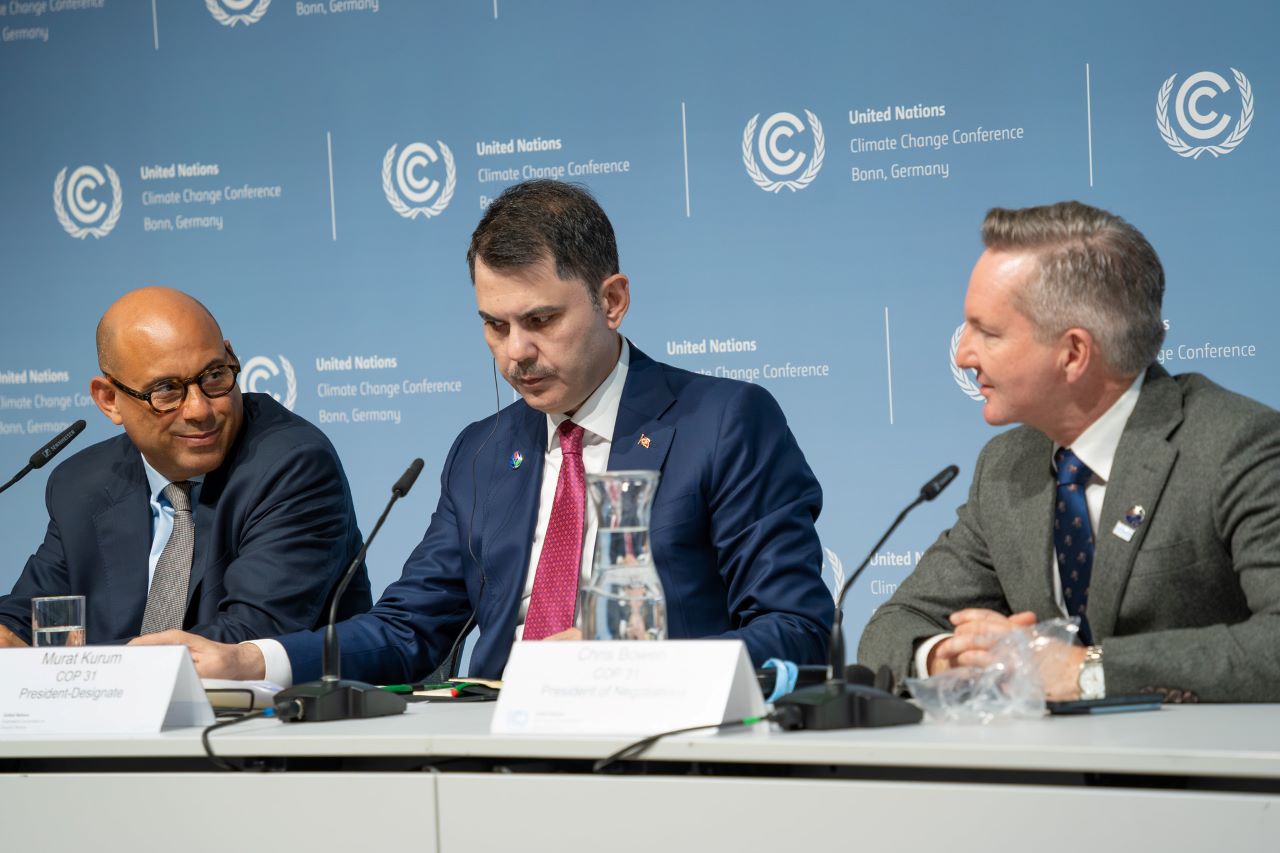
Alexey Kokorin, representative of CAN EECCA at PCG CAN-I:
“The first week of any UN climate conference is mostly technical preparation. There are two key issues in Antalya.
The first is what to do with the call to triple adaptation finance by 2035 — the money developed countries provide to developing countries. The call made it into last year’s conference outcome, but it needs a plan, or at least a reporting system, behind it. In parallel, guidance has to be prepared on applying the adaptation indicators: the indicators themselves were adopted in very general terms, and the guidance will give concrete numbers on how exactly to measure with them. But it has not even been decided who will draft it — and whoever drafts it calls the tune.
The second issue is the just transition mechanism. It is about helping people in developing countries who are hurt even by sound low-carbon and adaptation measures: they may need new jobs, a different way of life or even to relocate. Today these are less often coal miners and more often agricultural workers. It is still unclear whether the mechanism will be purely technical — dialogues and workshops — or will include financial tools, and how quickly it will start working. The first week brought no answer.
On other topics the results are modest, and on cooperation among the three Rio conventions there is no decision at all. That is why the overarching political cover decision has come to the fore. Usually its draft appears three days before the end of a conference; this time it appeared already on Monday. For now it is a list of good intentions, and consensus is a long way off.
The sharpest dispute is over Türkiye’s 35×35 initiative: raising electricity’s share of final energy consumption to 35% by 2035. Today it is about 22% globally, 12% in Africa and 15% each in Russia and Kazakhstan, with Kazakhstan showing positive momentum. Some countries in our region already have a high share — almost 30% in Tajikistan. It is important to specify what kind of energy this means, otherwise any generation, including coal, would count towards the target. Most likely 35×35 will enter the cover decision only as a recommendation. It cannot oblige anyone, but regional development banks will rely on it — and exactly in the wording in which it is written.”
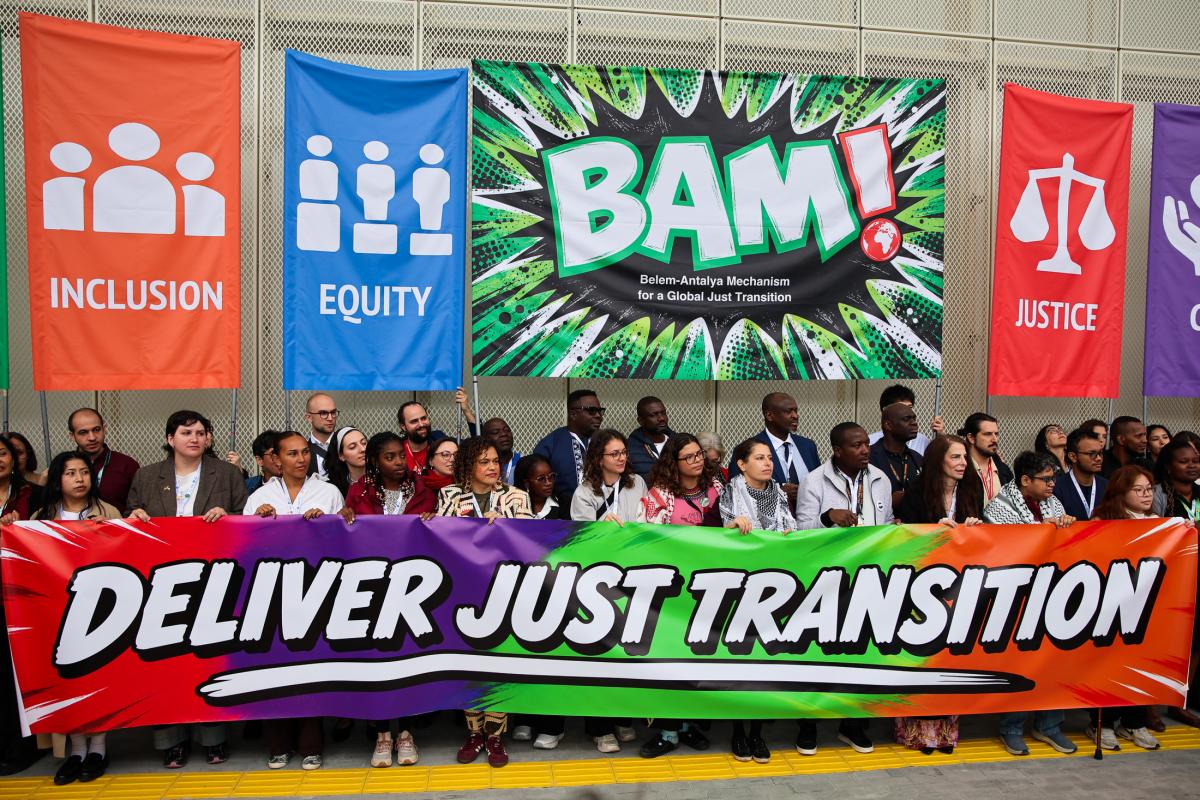 CAN-I position (based on the CAN-I press release “COP31 halfway: Deals that protect people sidelined as presidencies chase headlines”)
COP31 opened with a swiftly agreed agenda and real hope that Antalya could turn the commitments made in Belém into agreements that change lives. Halfway through, that promise is slipping away.
- Just Transition. On what the mechanism will actually do, the text offers only the least ambitious options: a website, an annual meeting and a compilation of reports. […] The risk now is a mechanism in name only, with no teeth to deliver.
- The promise to triple Adaptation finance remains in the latest Global Goal on Adaptation text, but wealthy countries are resisting it. […] COP31 must defend the tripling commitment as the floor for a new goal based on real needs, and agree how the money will reach the people who need it.
- Loss and damage. In total, 119 countries have asked the Fund for Responding to Loss and Damage for USD 2.8 billion, yet it has received only around USD 600 million.
- With the world on the verge of breaching 1.5°C, COP31 must extend and strengthen the Mitigation Work Programme to 2030, turning it into a driver of faster emissions cuts that holds countries to account.
- Türkiye is promoting its flagship 35×35 initiative, which aims to increase electricity’s share of global final energy consumption to 35% by 2035. But it says too little about how to make electrification fair. […] Electrification must pass three tests: it must replace fossil fuels and not include nuclear, run on renewable energy and come with finance for the countries that need it.
- Climate finance. Climate finance pledges have fallen by 70%, according to Carbon Brief analysis, even as the same governments raise military spending and keep subsidising fossil fuels. Promises don’t protect people. Finance does.
- Cover decision. But no declaration can make up for failing to agree a working Just Transition mechanism and tripled Adaptation finance in the negotiating rooms.
CAN EECCA is the regional node of Climate Action Network in Eastern Europe, the Caucasus and Central Asia. Media contact: Iryna Ponedelnik, caneecca@gmail.com.