 In 2025, CAN EECCA supported three member-led projects to demonstrate a simple but important point: civil society and youth are not just observers — they are active contributors to climate policymaking.
These initiatives were implemented during a critical phase, as countries across the region were preparing and finalising their updated Nationally Determined Contributions (NDCs), submitted in February 2025 ahead of COP30. For our network, this created a key opportunity to strengthen the role of civil society in shaping national climate strategies.
The small grants programme covered Armenia, Kazakhstan, and Kyrgyzstan. Projects focused on analysing government policies, developing adaptation measures, and creating platforms for cross-sectoral collaboration.
Armenia and Georgia: assessing ambition and building environmental synergies
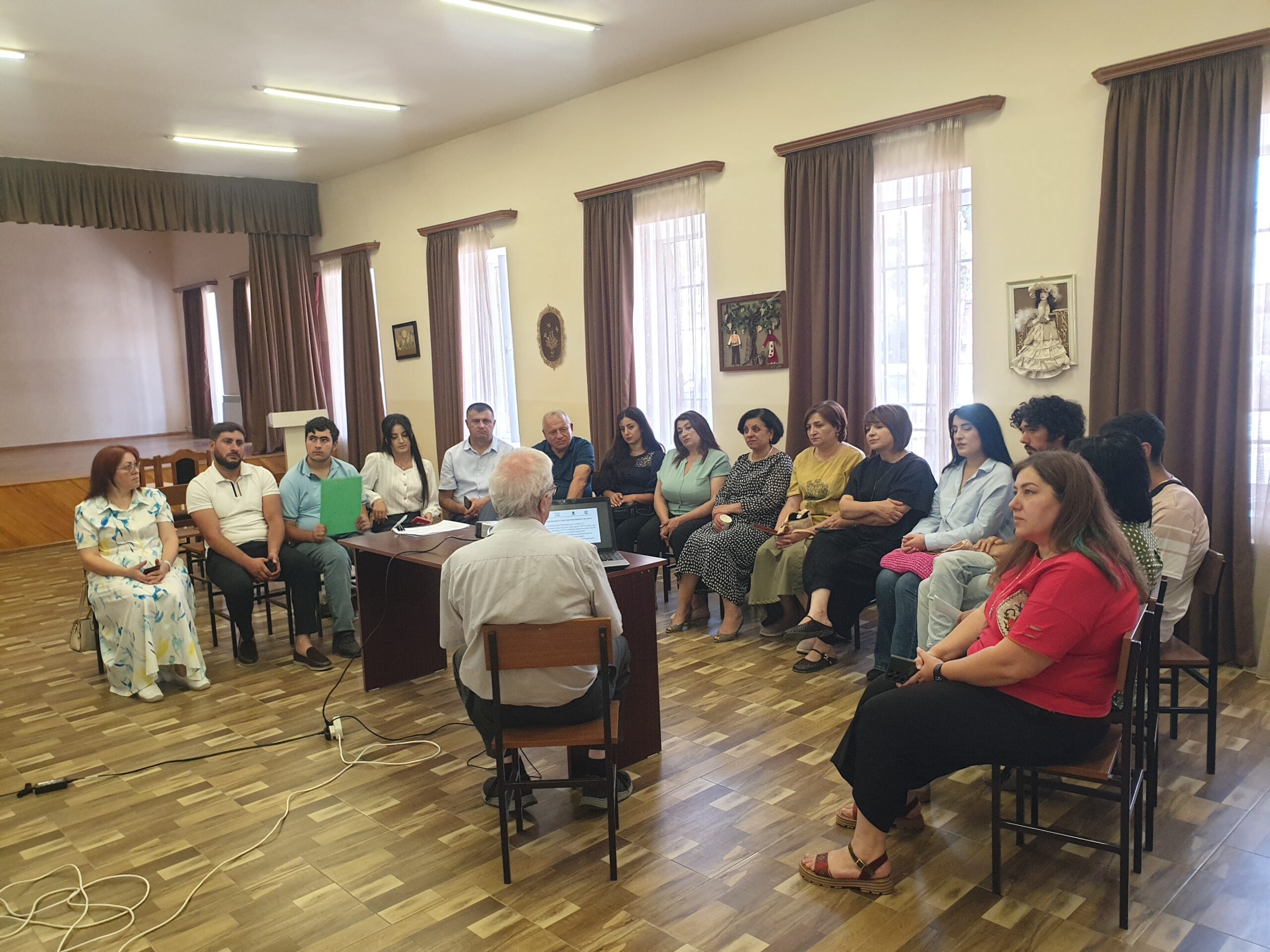 From July to November 2025, the NGO Khazer implemented the project “Evolution of NDCs and pathways for environmental synergy”. Its main objective was to assess whether the updated climate targets of Armenia and Georgia are aligned with the Paris Agreement.
The team conducted a comprehensive review — from the first NDCs to draft NDC 3.0 documents. Experts identified systemic gaps, including insufficient alignment with the 1.5°C temperature limit. These findings were discussed with academia, Aarhus Centres, and Georgian partners (ECOVISION and Green Regions).
Aram Gabrielyan from Khazer explains:
“NDC 3.0 covers the period 2026–2035 and sets a target of reducing greenhouse gas emissions by 44–52% by 2035 compared to 1990 levels. At first glance, this looks ambitious. However, when compared to current emission levels, it would למעשה result in a 14–33% increase by 2035.”
Beyond analysis, the project also delivered an important advocacy outcome: a civil society request to COP30 was presented to a CAN International representative at the Belém summit. The document attracted interest from networks in Latin America and South Asia.
Work is now underway to strengthen synergies between climate, water, and biodiversity agendas in the lead-up to COP17 on biodiversity, which will take place in Armenia in October 2026.
Kazakhstan: amplifying youth voices at the regional level
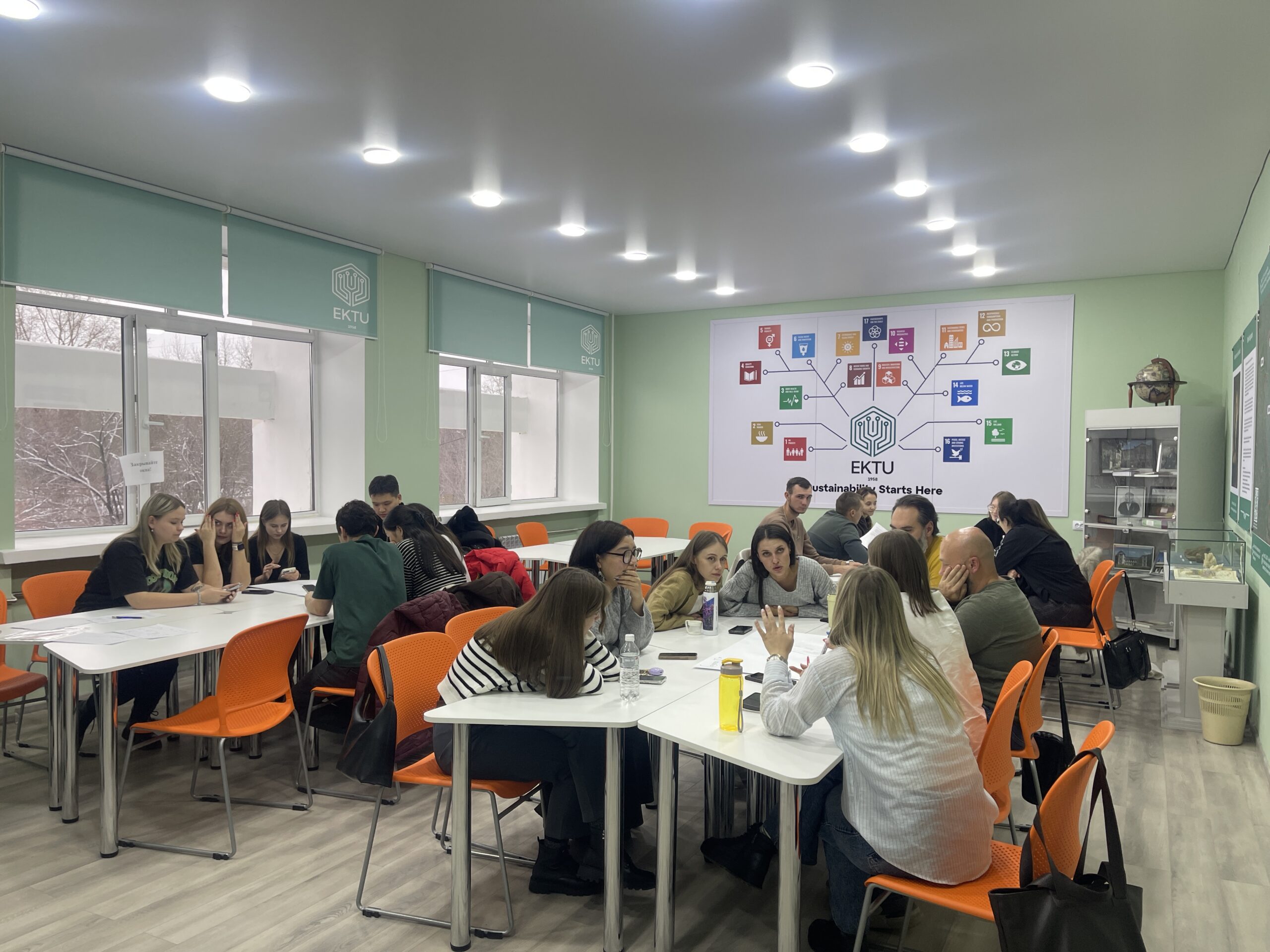 The Water Partnership of Kazakhstan and the youth organisation Climate for Us implemented the project “POST-LCOY: Youth roundtables with key stakeholders”.
The initiative reached four cities and brought together over 100 participants — from school students developing eco-startups to representatives of government agencies and Kazhydromet. The programme was highly interactive: participants used simulations to explore climate solutions and learned how to formulate policy recommendations.
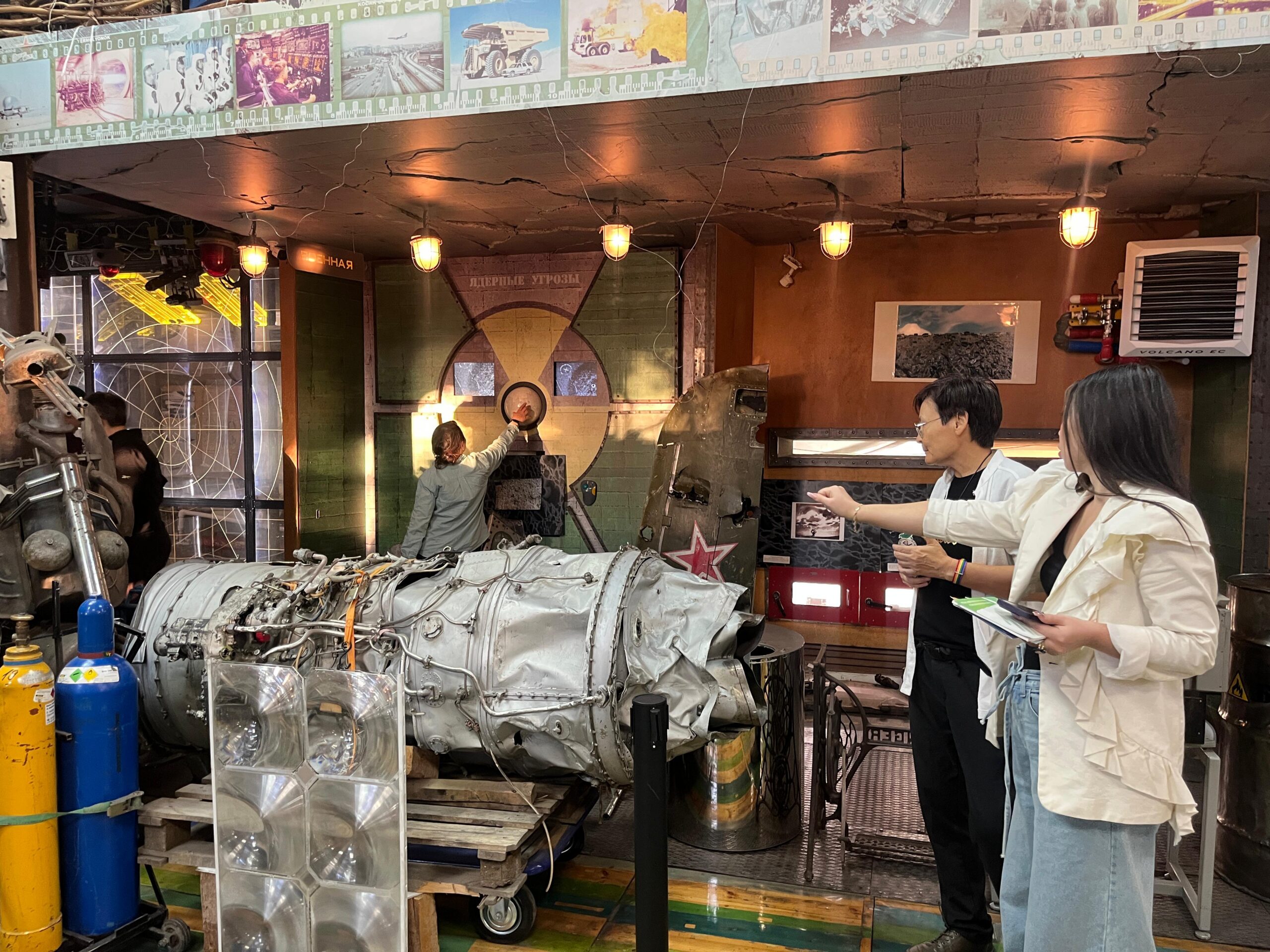
The project created direct dialogue between young people and government institutions. It was implemented in partnership with CAN EECCA members ECOM and the Karaganda Regional Ecological Museum.
Alimkhan Abulkhan highlights the importance of this approach:
“The roundtables were held in four of the country’s most environmentally vulnerable and industrially burdened regions. Participants actively discussed national and international climate agendas and worked on adapting strategic documents to local realities. The key outcome was the creation of mechanisms for systematic youth engagement in regional climate policymaking.”
Kyrgyzstan: aligning plans and strengthening expert input
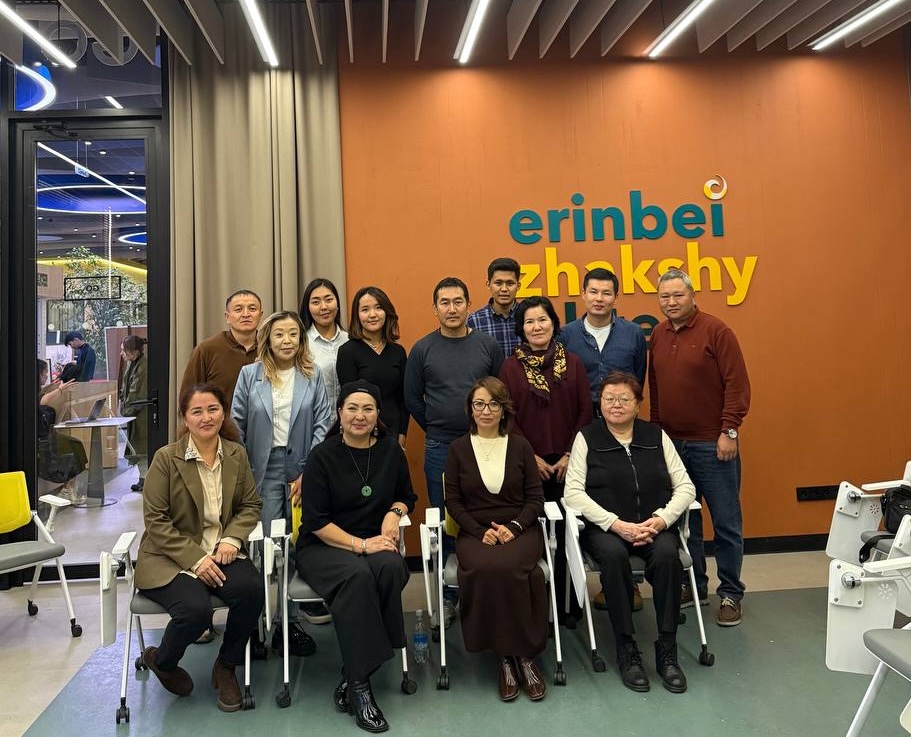 In Kyrgyzstan, the Green Alliance KG implemented the project “Consultations on the implementation plan for the updated NDC (NDC 3.0)”.
The project demonstrated how expert communities and the private sector can meaningfully influence government decisions. It combined analytical work, strategic meetings, and consultations with ministries.
The team developed recommendations to strengthen both mitigation and adaptation measures, with a clear focus on how Kyrgyzstan can effectively implement its Paris Agreement commitments.
Active engagement by civil society and experts plays a crucial role in shaping climate policy in practice — from analysing national documents to driving concrete action on the ground.
Follow CAN EECCA for more updates on our members’ work — and don’t miss the upcoming small grants call for 2026.